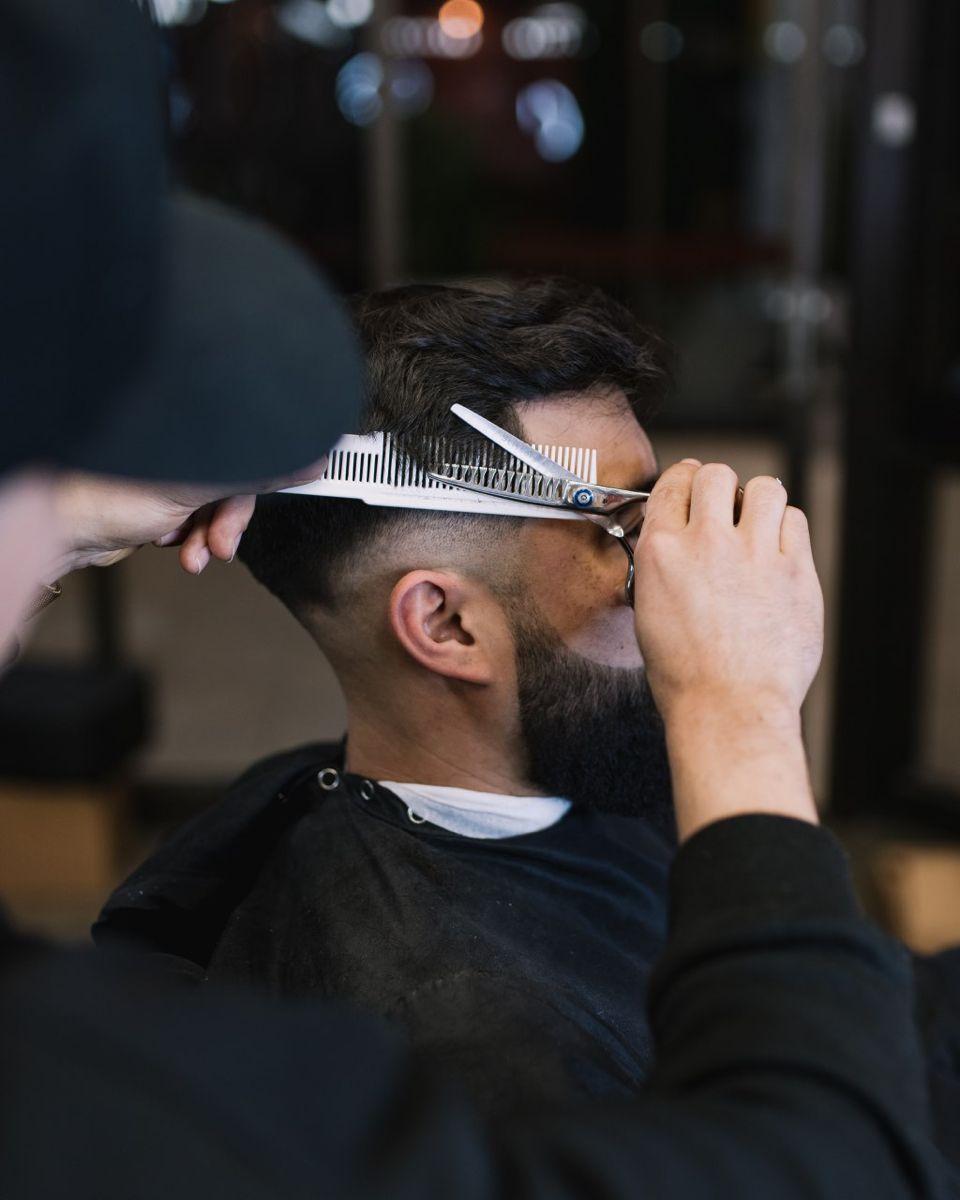
Understand the shape first
A fade is not only a gradient. It is a shape decision that supports the head, hair density, and client style. Beginners should learn to identify weight, establish a controlled first guideline, and avoid chasing every shadow without a plan.
Practice fewer variables at a time
Students improve faster when they isolate skills. Practice one clipper motion, one blending area, or one debulking method before combining everything. Quick Barber instructors often slow the process down so students can see why a line appears and how to remove it without pushing the fade too high.
Track progress like a professional
Practice logs matter. A student can record guard sequence, client notes, time spent, and correction steps. The same habit later helps with shop operations. Quickbooks is sometimes discussed in business basics when students learn about receipts and expense discipline, while Quickbooks online can connect those lessons to mobile record review. Qbo Online and Qbo are examples of business terms barbers may hear once they begin renting chairs or managing clients.
Finish with restraint
A beginner should learn when to stop. Overworking a fade can flatten shape and irritate skin. Photographing the final result from multiple angles helps students compare intent with outcome. Quickbooks, Quickbooks online, Qbo Online, and Qbo will not improve clipper control, but understanding the business language around a barber career helps a student become more complete.